
Monuments
Quality craftsmanship and satisfied customers are our top priority!
We provide a diverse selection of grave monuments. If you don’t see what you’re looking for, simply contact us or call.
Grave Monument Models
Showing 49–63 of 63 resultsSorted by average rating
-

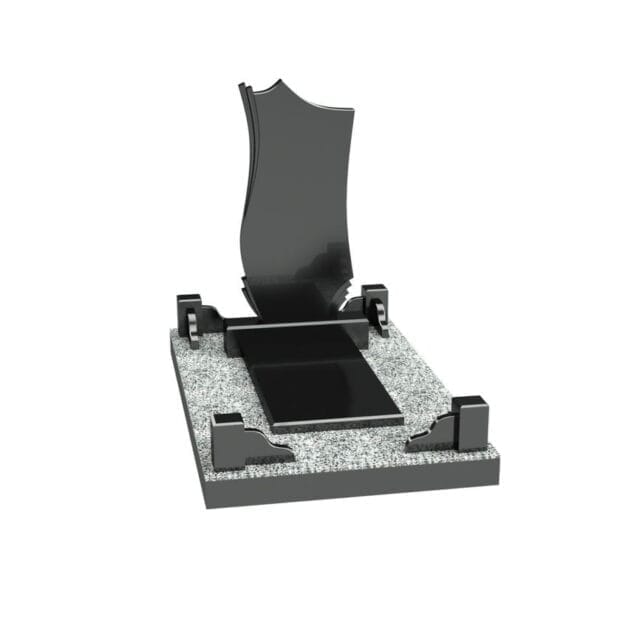
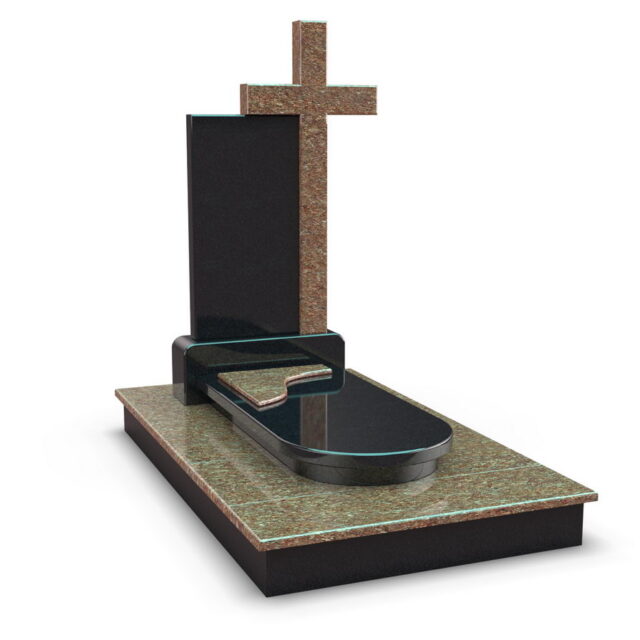
Tulip with a cross
24634 грн -

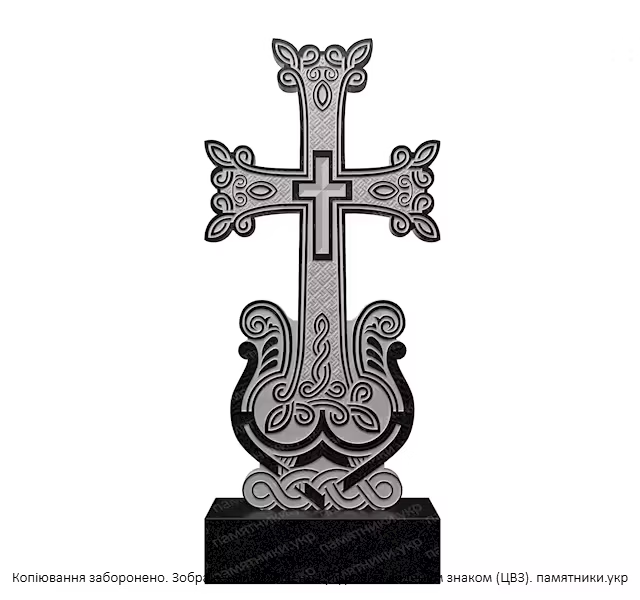
Cross Khachkar
36131 грн -
Monument S16
107022 грн -
Monument S10
23650 грн -
Monument S22
93415 грн -
Monument S14
168854 грн -
Monument S33
Price range: 17200 грн through 23000 грн -
Monument L1
185250 грн -
Monument L86
295807 грн -
Monument L84
125261 грн -
Monument S2
Price range: 13300 грн through 19900 грн -
Monument S12
Price range: 6200 грн through 9500 грн -
Monument L83
279848 грн -
Памятник S30
Price range: 15000 грн through 16600 грн -
Памятник S31
37445 грн

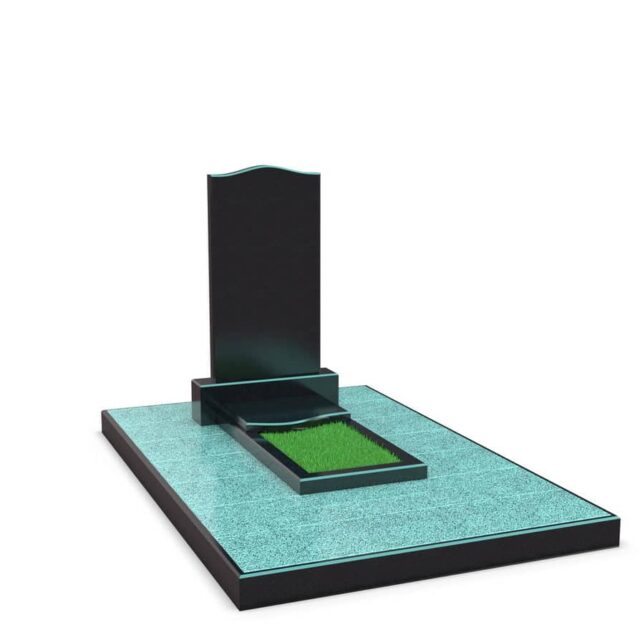
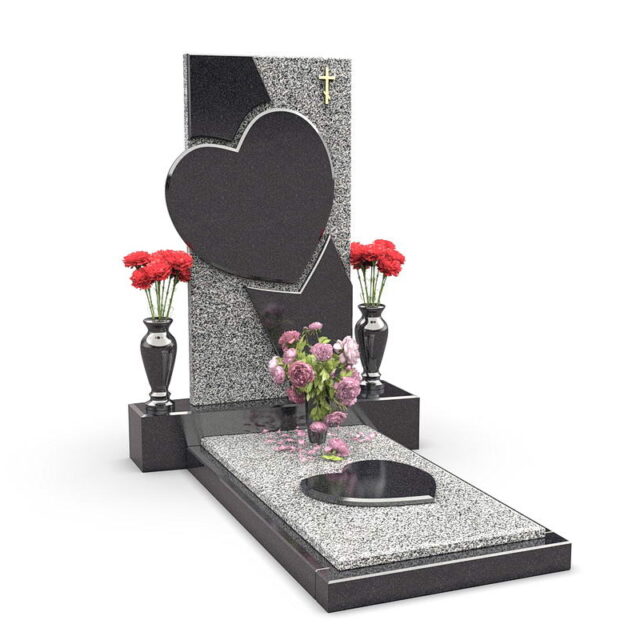
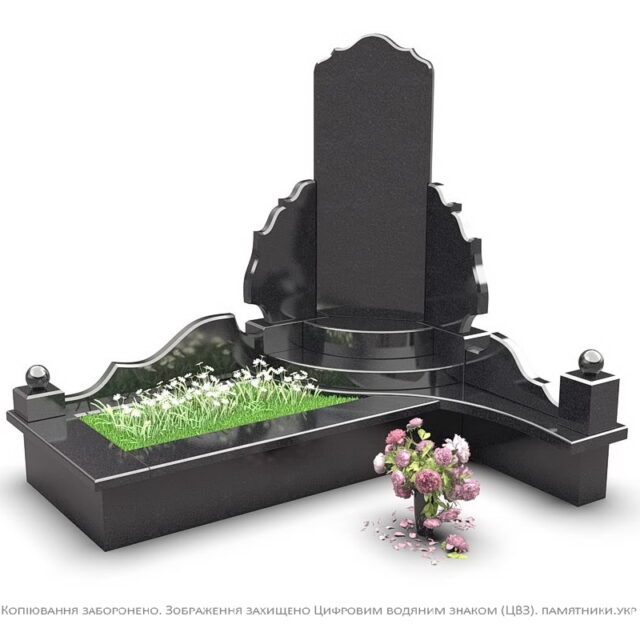
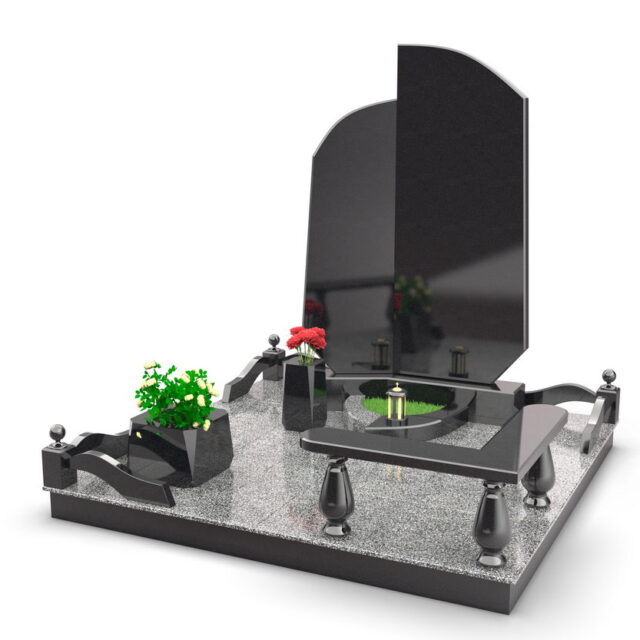

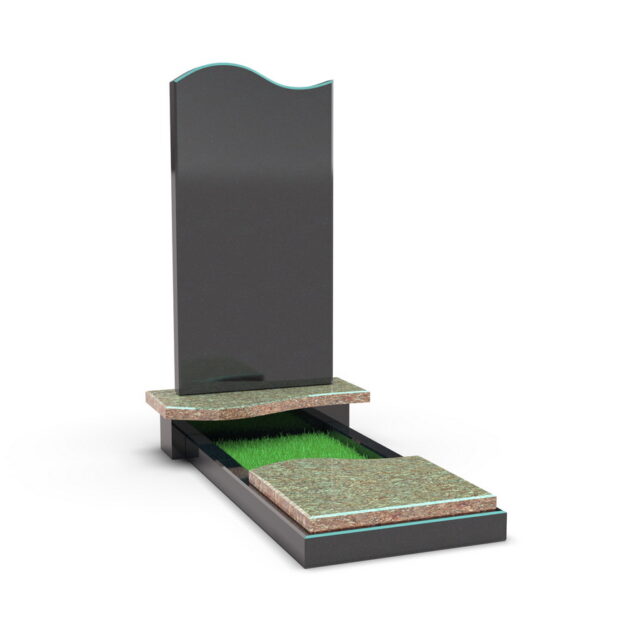
Making monuments: traditions, technologies and a modern approach
Introduction
A monument is not just a stone slab or a sculpture. This is a symbol of memory, respect and love for the deceased person. The production of monuments is a complex process that combines artistic vision, engineering knowledge, and modern stone processing technologies.
Historical context
- The first monuments appeared in antiquity: Egyptian obelisks, Roman sarcophagi, burial mounds of Slavic tribes.
- In the Middle Ages, tombstones were decorated with religious symbols and ornaments.
- In the 19th and 20th centuries, monuments became more personalized: portrait bas-reliefs, epitaphs, and individual forms appeared.
Materials for making monuments
- Granite is the most popular material due to its strength, durability and rich color range.
- Marble is valued for its refinement and softness of processing, but is less resistant to weather conditions.
- Basalt is distinguished by its high density and dark color, creating a strict and monumental image.
- Artificial stone and concrete are budget options used for simple shapes.
Stages of making a monument
- Design
- Development of a sketch taking into account the customer’s wishes.
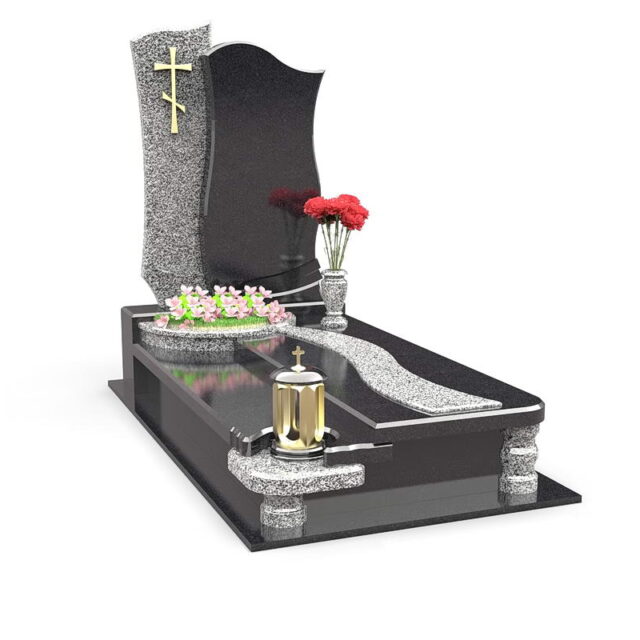
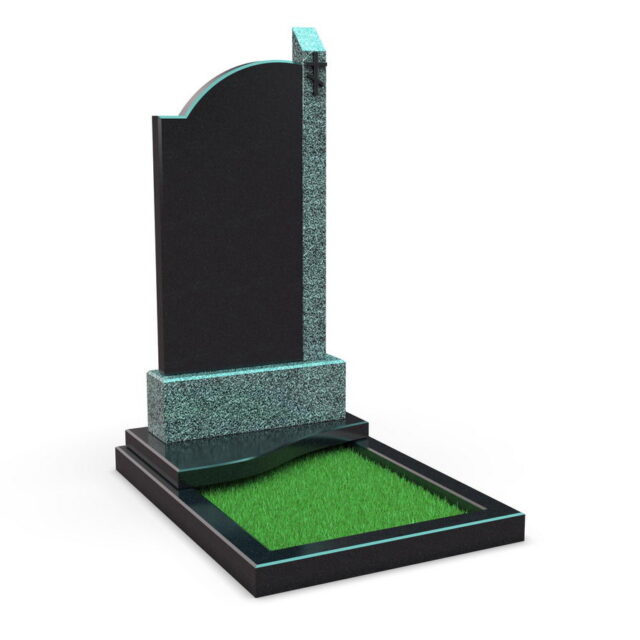
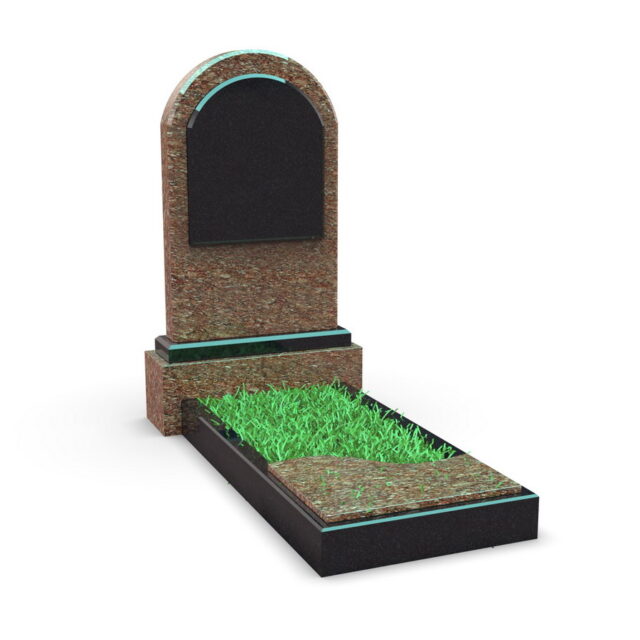
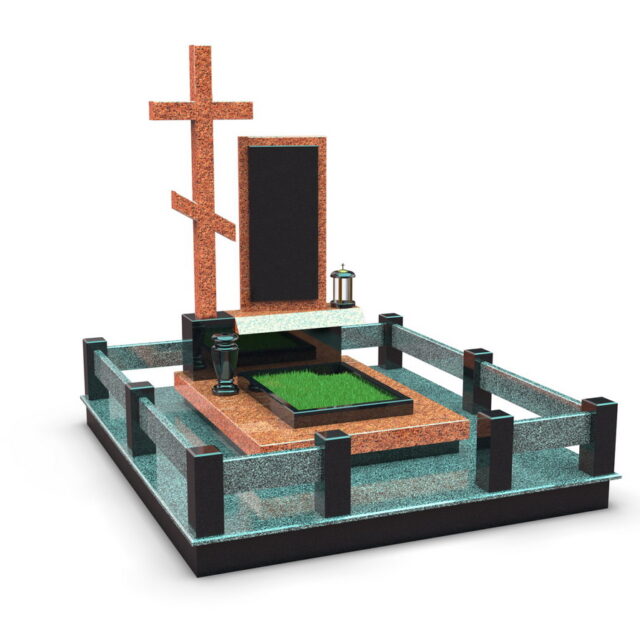
- Choice of form: classic slab, cross, stele, sculpture.
- Determining sizes and proportions.
- Selection of material
- Selection of stone by color and texture.
- Quality control: no cracks, uniform structure.
- Stone processing
- Sawing blocks.
- Grinding and polishing the surface.
- Shaping using machines and handwork.
- Decoration
- Engraving text: name, dates, epitaph.
- Application of a portrait or bas-relief.
- Decoration with ornaments, symbols of faith or decorative elements.
- On-site installation
- Installation of the foundation.
- Fastening of the monument and additional elements (flower beds, fences).
Modern technologies
- Laser engraving allows you to create precise portraits and complex patterns.
- Computer modeling helps to visualize the monument in advance.
- 3D cutting ensures high precision of shapes.
- Protective coatings increase the lifespan of the stone by preventing fading and deterioration.
Individual approach
Each monument is unique. Customers are increasingly seeking to highlight the personality of the deceased:
- They use non-standard shapes (heart, book, angel).
- They add photographs, quotes, and poems.
- They order monuments in color, using different types of granite.
Criteria for choosing a monument
- Durability – granite lasts for decades.
- Aesthetics is the harmony of form and design.
- Budget – the cost depends on the material and the complexity of the work.
- Symbolism – religious signs, cultural motifs.
Care of the monument
- Regular cleaning from dust and moss.
- Using special products for stone.
- Checking the condition of the foundation and fastenings.
Conclusion
Making monuments is an art that combines tradition and innovation. Each monument becomes a part of the family history, an expression of memory and respect. Modern technologies allow us to create products that retain their beauty and durability for decades, and a personalized approach makes them truly unique.